|
| About Us |
The Nebraska Senior Games (NSG) is a member of the National Senior Games Association. The NSGA spearheads the senior games movement, sanctioning, and coordinating efforts in 50 states. A community-based member of the United States Olympic Committee, the NSGA serves as one of the USOC's official arms to the senior population. The NSGA is a not-for-profit organization that is dedicated to promoting healthy lifestyles for seniors through education, fitness and sports. The Nebraska Senior Games follows the commitments of the NSGA by giving seniors the opportunity to achieve greater value and quality in their lives by staying healthy, active and fit. The NSG is a great socialization event that offers opportunity to meet new people and provides fun, friendly competition. However, the Senior Games is more than just super-trained and conditioned athletes.
The Games provide opportunity to every person, no matter what their athletic ability. Over the years there have been so many great competitions, personal bests, individual achievements, and friendships made. The benefits of exercise, play, and socialization are well known. Harriet Bloemker, age 78, from Fremont may have said it best. "The Games provides a goal for staying active and a reason for learning new things. In 2000 I bought a javelin and three years ago I started to learn how to throw a discus." Harriet has been a regular participant in Nebraska and has competed in the National Games as well. She was the flag holder during the Parade of Athletes in the 2003 National Senior Games in Baton Rouge, LA., as well as a State Representative for the 2007 National Senior Games in Louisville, KY.
The City of Kearney Park and Recreation Department has hosted the Nebraska Senior Games in Kearney since 1989. The NSG has been known as a well-organized event, led by friendly people, and held at great venues; such as the Big Apple Fun Center, various Kearney Public Schools, City Parks, Meadowlark Hill Golf Course, and the Buffalo County Fairground. As Tom Bassett, age 63, from Lincoln says, the Nebraska Senior Games offer "…fun, fellowship, great facilities, and Kearney is an inexpensive town to visit.” The Nebraska Senior Games is “open” to out-of-state residents, meaning not only local Kearney residents and Nebraskans are experiencing the games and community, but so are others that commute to participate in the games. For the national qualifying year of 2014 we had 15 states represented in the Nebraska Senior Games, anywhere from New Jersey to California, and Texas to Florida. The 2014 Nebraska Senior Games marked a record number year having 405 participants, which was surpassed in 2021 with 450, 2022 with 448, and in 2024 with 618 participants! We anticipate these numbers to continue to grow in the years to come as we have seen in the past years.
|
| |
| |
| History |
Kearney Visitor Bureau Executive Director Roger Jasnoch received a post card in the mail back in 1991 and the rest is history. The post card invited him to the National Senior Games in Syracuse, New York; the 3rd annual National Senior Games where they offered 18 sports and had 5,000 athletes participate. One day at the National Senior Games, they invited people to a session to learn more about the Games and becoming a host city in your own city. Roger thought this was a great opportunity for the Kearney community. When he returned to Kearney, he communicated with Kearney Park and Recreation and got them involved and hosted the first annual Nebraska Senior Games in 1989. They offered 10 sports and had approximately 180 people participate. They kept the Games open, so other people from out of the state of Nebraska could participate in the Games; bringing more people to Kearney. In 1999, the Kearney Visitor Bureau transferred the coordination of the event to Kearney Park and Recreation, but they both still partner together to offer the Nebraska Senior Games. The Senior Games have been coordinated in Kearney, Nebraska since 1989. We now offer over 15 different sports and have had 618 people participate in the 2024 Nebraska Senor Games, marking a record number of participants. We continue to look to grow and expand the awareness of the Nebraska Senior Games.
A Brief History of the National Senior Games
In the mid-1960s, the National Recreation Association, now known as the National Recreation and Parks Association, developed a "Lifetime Sports" program, which emphasized getting individuals involved in sports which they could compete in throughout their life span. As the concept developed across the country in the mid-1970s, middle aged amateur athletes of the mid-1960s were becoming mature senior athletes. Warren W. Blaney, a Los Angeles businessman, is widely recognized as the founder of the Senior Games Movement. Blaney, a track and field athlete in his youth, entered one of the track events for adult athletes that were springing up, in part due to the jogging craze triggered by Dr. Kenneth Cooper’s influential best-selling book Aerobics. The experience inspired Blaney to dream of an Olympic-style multi-sports event for older athletes.
In 1969, he founded a nonprofit organization and secured the help of the Helms Athletic Foundation and the Los Angeles Times. A year later, Blaney staged the first “Senior Olympix” in Los Angeles. From there, the movement spread from California to other states. The first recurring games began in 1975 in Sanford, Florida, which are still being held annually 42 years later. By the mid-1980s, 33 multi-sport games for seniors had been established around the country. In 1985, an effort was launched in St. Louis to create a national competition event, led by Harris Frank and Ken Marshall. Seven men and women formed the original leadership for what was initially known as the National Senior Olympics Organization (NSOO).
In the fall of 1985, they hosted a meeting of individuals who were currently conducting games for seniors in their states. That group planned the first National Senior Olympic Games, held in 1987 in St. Louis. The first games were a great success involving more than 2,500 competitors in 15 sports. The NSOO was formalized during the games – with a Board of Directors elected, articles of incorporation filed in the State of Missouri, and bylaws adopted. An estimated 100,000 spectators viewed the first Games ceremonies featuring Bob Hope at the St. Louis Riverfront Arch. The second Games also took place in St. Louis in 1989, hosting 3,400 senior athletes. The event received significant national media coverage by the New York Times, ESPN and ABC’s Good Morning America. After this second success, The Games began to move to a different city every two years to stimulate more awareness and participation around the country.
In 1990, an agreement was reached with the United States Olympic Committee based on its objection to the use of the term Olympic in the organization’s corporate name, and the name was changed to the U.S. National Senior Sports Organization. The event is now known as The National Senior Games and the organization does business as the National Senior Games Association (NSGA). NSGA remains as an ongoing Multi-Sport Council member of the USOC. NSGA moved its corporate office from St. Louis to Baton Rouge, LA, in 1997. The organization now includes 53 member qualifying games in every state, the District of Columbia, Canada Games and The National Veterans Golden Age Games.
Since 2007, Humana has supported the biennial event as Presenting Sponsor, underscoring its commitment to advocate healthy, active aging and wellness. The non-profit organization is dedicated to not only stage quality games for seniors, but to also put its Mission Statement into action: “To promote health and wellness for adults 50 and over through fitness, education and sport.” There is now an affiliated NSGA Foundation, and NSGA has a full-time Health and Wellness Manager on staff to advance the mission. Today, the National Senior Games has grown to one of the largest multi-sport events in the world. We are proud to continue to fulfill the vision that Warren Blaney summarized in a 1983 Los Angeles Times interview. “This kind of thing is good in every way,” he said. “Instead of looking back as they get older, Senior Olympians think about tomorrow. They think, ‘I’ll beat that guy next year.’"
|
| |
| |
| Why? |
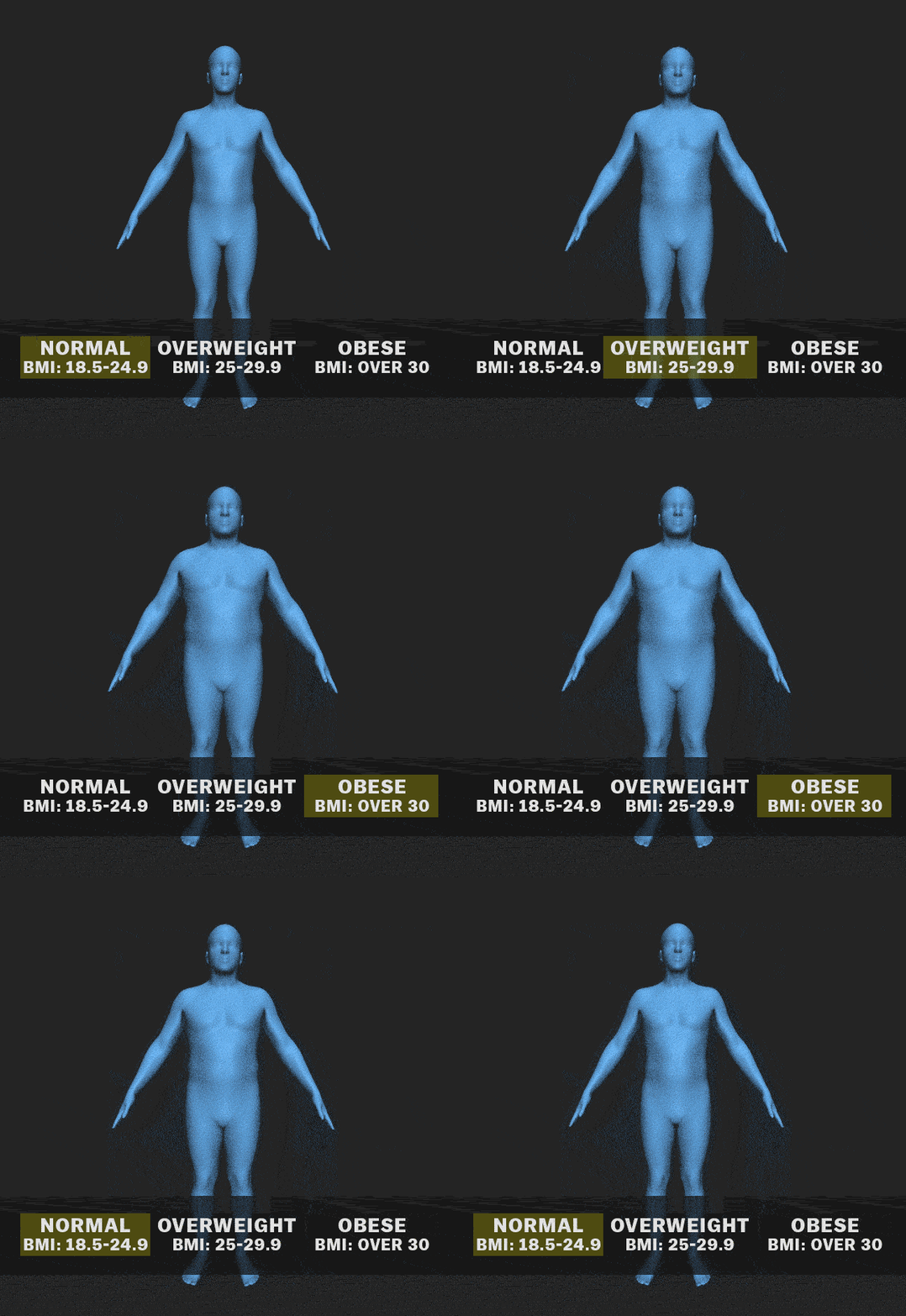
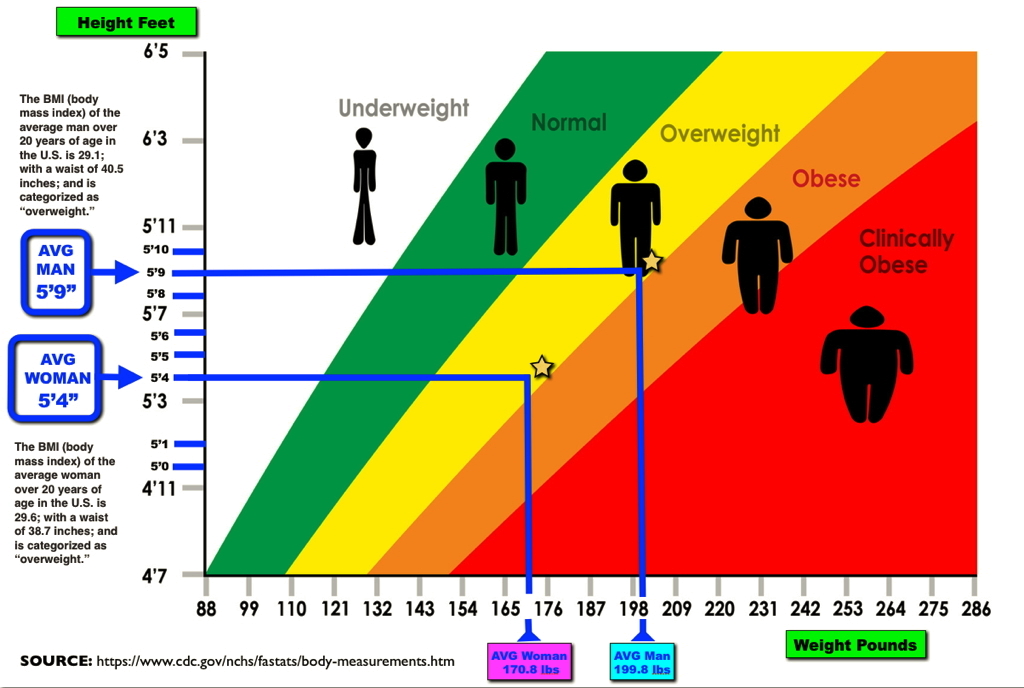
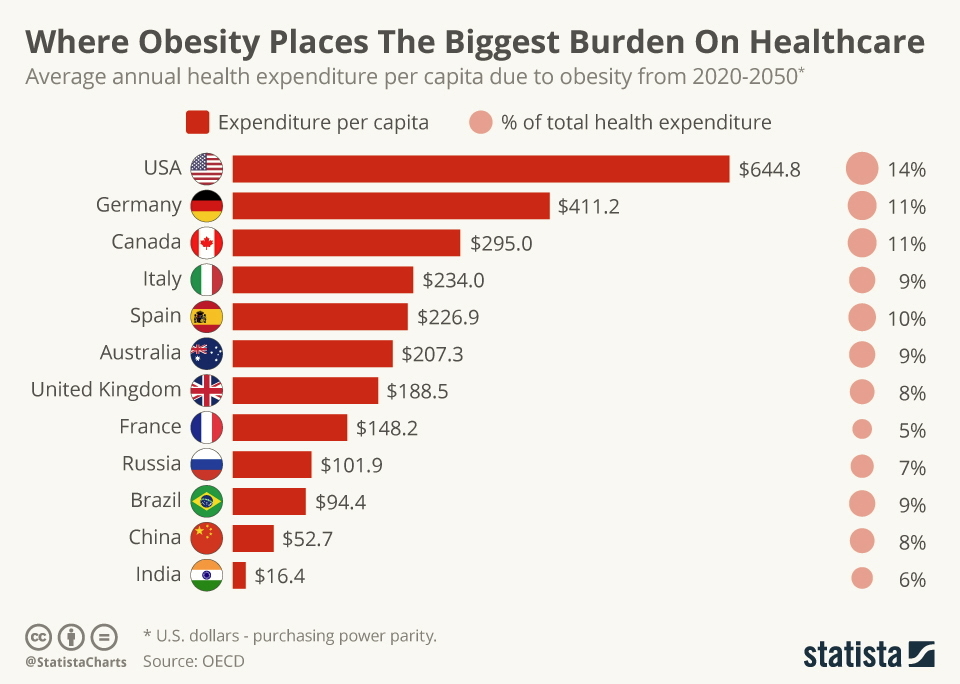
Why is it so very important for seniors to be seriously committed to their personal health and fitness as participants in the Nebraska Senior Games? Did you know 4 of 5 adults are morbidly overweight or obese? As researched by the Center for Disease Control and literally thousands of independent public and private sector research organizations, the health for the overwhelming majority of U.S. citizens is . . . well, not good, and getting worse. Note the following:
|
|
| |
Why is it so very important for seniors to be seriously committed to their personal health and fitness as participants in the Nebraska Senior Games?
|
For a person with a BMI of 25-28.9 kg/m2, the relative risk for coronary heart disease is 1.72. The risk progressively increases with an increasing BMI; with BMIs greater than 33 kg/m2, the relative risk is 3.44. Similar trends have been demonstrated in the relationship between obesity and stroke or chronic heart failure.
Overall, obesity is estimated to increase the cardiovascular mortality rate 4-fold and the cancer-related mortality rate 2-fold. As a group, people who are severely obese have a 6- to 12-fold increase in the all-cause mortality rate. Although the exact magnitude of the attributable excess in mortality associated with obesity (about 112,000-365,000 excess deaths annually) has been disputed, obesity is indisputably the greatest preventable health-related cause of mortality after cigarette smoking.
For persons with severe obesity (BMI ≥40), life expectancy is reduced by as much as 20 years in men and by about 5 years in women. The greater reduction in life expectancy for men is consistent with the higher prevalence of android (ie, predominantly abdominal) obesity and the biologically higher percent body fat in women. The risk of premature mortality is even greater in obese persons who smoke.
Some evidence suggests that, if unchecked, trends in obesity in the United States may be associated with overall reduced longevity of the population in the near future. Source: medscape.com
|
 |
|
| |
Why is it so very important for seniors to be seriously committed to their personal health and fitness as participants in the Nebraska Senior Games?
|
 |
| |
| Why is it so very important for seniors to be seriously committed to their personal health and fitness as participants in the Nebraska Senior Games? |
 |
| |
Why is it so very important for seniors to be seriously committed to their personal health and fitness as participants in the Nebraska Senior Games, because we want YOU, and your family and friends, to grab life's gusto as vibrant and healthy participants decade after decade in the Nebraska Senior Games! |
| |
|

